
Introduction
By now, AI tools are everywhere. In 2026, they’re no longer something only tech experts talk about. We use them to write emails, learn new skills, organize work, translate languages, design visuals, and sometimes even untangle our thoughts. AI tools safety is very important, use AI tools safely and use AI tools ethically.
For many people, AI has slipped quietly into daily life without much thought.
And that’s where the problem starts.
Most users jump into AI tools without stopping to ask a few important questions. Is this safe? Should I be sharing this information? Am I using this responsibly? What happens if I trust the output too much?
I’ve spent a lot of time exploring technology and helping beginners understand it, and I’ve seen both sides. AI can be incredibly useful when used correctly. But when used carelessly, it can create issues people don’t see coming.
This guide is written for everyday users — students, professionals, freelancers, creators, and curious readers — who want to understand how to use AI tools safely and ethically in 2026, without fear, hype, or technical confusion. Just practical, honest advice that actually helps.
Why AI Safety and Ethics Matter More Than Ever in 2026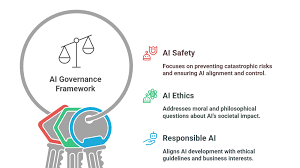
A few years ago, AI felt optional. Something interesting, but not essential.
That’s no longer true.
Today, people rely on AI for:
-
writing content and emails,
-
learning and studying,
-
business planning and decision-making,
-
productivity and time management,
-
creative work and content creation.
When technology reaches this level of everyday use, the stakes change.
A small mistake — like sharing sensitive information or blindly trusting an AI response — can now have real consequences. That’s why AI safety, ethical AI usage, and responsible use of AI tools are such hot topics in 2026.
The tools are powerful. The responsibility is human.
What Does “Using AI Tools Safely and Ethically” Really Mean?
This is where many beginners get stuck.
Using AI safely and ethically doesn’t mean avoiding it or being afraid of it. It simply means using it with awareness.
Think of it like this:
-
Safe use means protecting your privacy, data, and security
-
Ethical use means using AI honestly, fairly, and responsibly
Both are equally important, and neither requires you to be a tech expert.
Understanding AI Tools From a Beginner’s Point of View
Before talking about rules or best practices, it helps to understand one basic truth.
AI tools don’t think.
They generate responses by predicting patterns based on massive amounts of data. That’s it.
This matters because:
-
AI can sound confident and still be wrong
-
AI doesn’t understand consequences
-
AI doesn’t know your personal situation
Once people understand this, their relationship with AI changes. They stop treating it like an authority and start treating it like what it really is — a tool.
That mindset alone is the foundation of ethical AI usage for beginners.
How to Use AI Tools Safely: Practical Tips That Actually Matter
Let’s start with safety, because it affects everyone.
1. Protect Your Personal Information
One of the biggest AI privacy risks in 2026 is oversharing.
Never enter:
-
passwords,
-
ID or CNIC numbers,
-
banking details,
-
private documents,
-
personal or confidential conversations.
Even if a platform claims your data is secure, a simple rule works best:
If you wouldn’t post it publicly, don’t share it with AI.
This applies whether you’re a student, a professional, or running a business.
2. Think Twice Before Uploading Files
Many modern AI tools allow document uploads, which is useful — and risky.
Before uploading anything, pause and ask:
-
Is this confidential?
-
Does it include private or client data?
-
Would this cause problems if exposed?
Safe AI usage isn’t about fear. It’s about thinking one step ahead.
3. Always Double-Check Important Information
AI tools can help explain things, but they shouldn’t replace expert advice.
For topics like:
-
health and medical guidance,
-
legal matters,
-
financial decisions,
AI should be your starting point, not your final answer.
Responsible AI use means verifying critical information from trusted, human sources.
Ethical Use of AI Tools: What Really Matters
Ethics isn’t about long rulebooks. It comes down to intention and honesty.
1. Don’t Claim AI Work as Entirely Your Own
This is especially important for students, writers, and professionals.
Using AI to brainstorm ideas, improve clarity, or understand a topic is perfectly fine. Using it to replace all effort and presenting the output as fully original work crosses an ethical line.
Transparency builds trust — with teachers, clients, and audiences.
2. Use AI to Support Learning, Not Avoid It
This is a mistake I see often.
Some people use AI to skip thinking instead of supporting it. Over time, this weakens skills rather than building them.
The better approach is to use AI to:
-
explain concepts,
-
simplify difficult ideas,
-
guide your understanding,
not to do everything for you.
This is especially important for beginners using AI tools in 2026.
3. Avoid Harmful or Manipulative Uses
AI makes it easy to generate content quickly, but speed doesn’t remove responsibility.
AI should never be used for:
-
spreading misinformation,
-
scams or deception,
-
plagiarism,
-
impersonation.
Ethical AI use means thinking about how your output affects others.
Everyday AI Safety Tips for Regular Users
You don’t need to be technical to use AI responsibly.
Simple habits go a long way:
-
Stick to trusted AI platforms
-
Skim privacy policies before signing up
-
Avoid unknown tools asking for unnecessary permissions
-
Don’t rely on AI for emotional or mental health decisions
-
Treat AI as a helper, not a decision-maker
These small steps make AI safer and more useful in everyday life.
AI Ethics for Different Types of Users
Students:
Students can use AI to:
-
understand topics better,
-
improve writing clarity,
-
revise more efficiently.
But copying AI-generated answers directly can harm learning and lead to academic problems.
Professionals:
Professionals should use AI responsibly by:
-
protecting client data,
-
reviewing AI-generated work,
-
staying accountable for final decisions.
AI can speed things up, but responsibility always stays human.
Content Creators:
Creators need to be especially careful.
Search engines like Google reward helpful, original, experience-based content. Publishing AI output without editing, insight, or personal value leads to low-quality results and long-term trust issues.
Ethical AI usage helps creators build credibility, not shortcuts.
Common Mistakes People Make With AI Tools
Some of the biggest ones include:
-
trusting AI blindly,
-
sharing sensitive information,
-
using AI for everything,
-
ignoring ethical concerns,
-
trying to “game” systems instead of learning.
Learning how to use AI tools responsibly is often about unlearning these habits.
How Google Looks at Safe and Ethical AI Use in 2026
This is important for bloggers and website owners.
Google doesn’t punish AI-generated content.
It punishes unhelpful content.
If AI is used to:
-
genuinely help users,
-
provide clear value,
-
reflect real experience,
-
improve understanding,
it aligns with Google’s goals.
That’s why modern SEO focuses on usefulness, not whether AI was involved.
The Future of Ethical AI Use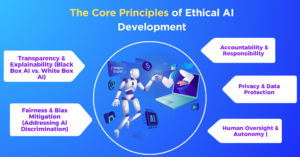
Looking ahead, ethical AI usage will only become more important.
We’re already seeing:
-
stronger regulations,
-
higher privacy expectations,
-
clearer standards for responsible AI,
-
better collaboration between humans and AI tools.
Learning safe AI practices in 2026 prepares you for what comes next.
A Simple Checklist for Responsible AI Use
If you remember nothing else, remember this:
-
Use AI as support, not a replacement
-
Protect personal and sensitive data
-
Verify important information
-
Be honest about AI involvement
-
Think before you generate
This checklist applies to everyone.
Final Thoughts
AI tools aren’t dangerous by default. They’re powerful — and power needs responsibility.
Learning how to use AI tools safely and ethically in 2026 isn’t about fear. It’s about awareness, balance, and intention.
When used wisely, AI becomes one of the most helpful tools of our time. When used carelessly, it creates problems that are easy to avoid.
At Smart Tech Tutor, the goal is simple:
help people understand technology clearly, confidently, and responsibly.
Use AI smartly.
Use it ethically.
And above all, stay human while using it.
Pingback: Can AI Be 100% Trusted in 2026? The Honest Truth About AI Reliability
Pingback: How to Start Freelancing in 2026: A Proven & Profitable Beginner Guide